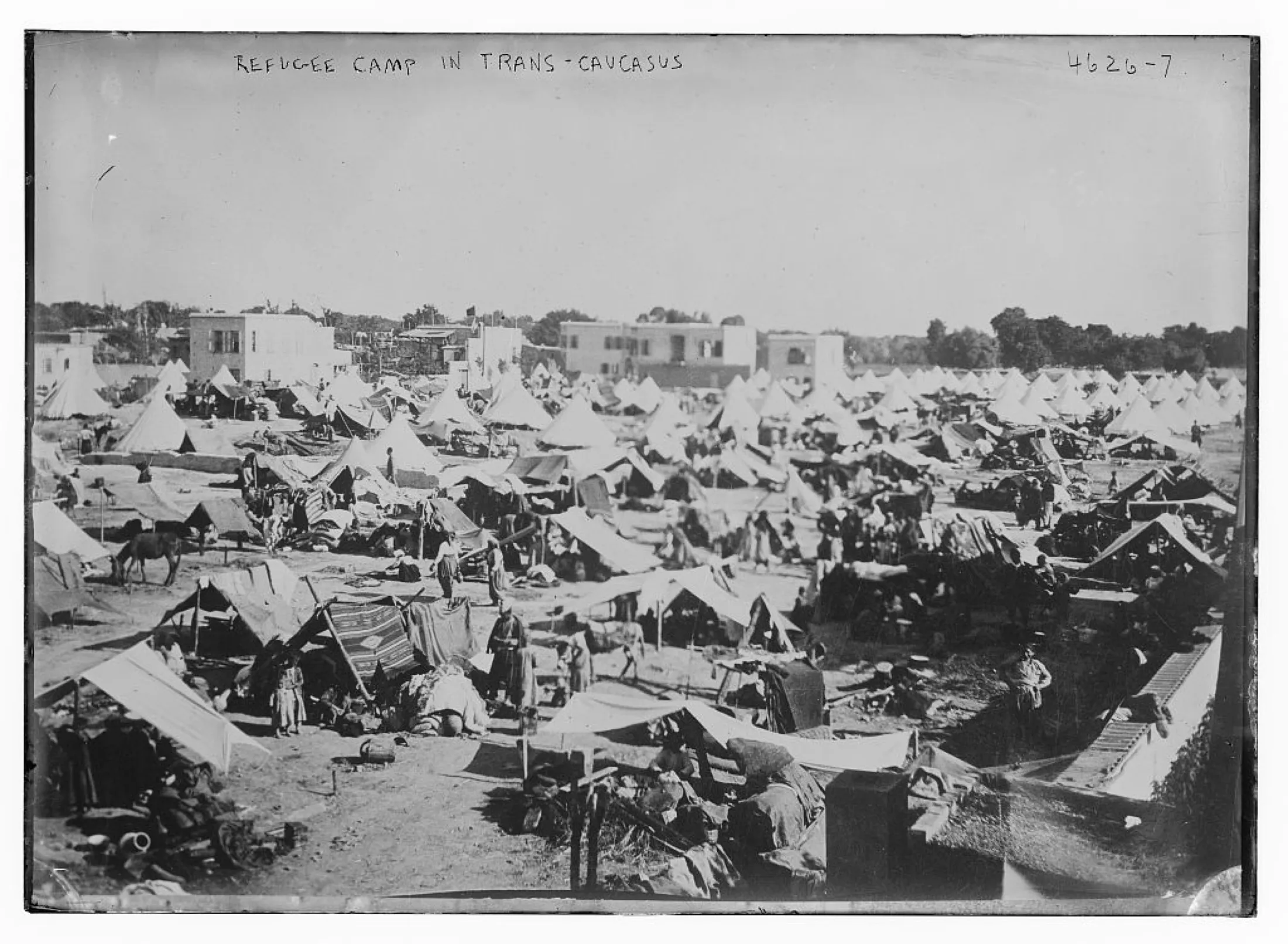
A field of white tents and makeshift shelters crowded with people, animals and bundles, low white houses and trees behind; the Bain negative is captioned by hand, Refugee camp in Trans-Caucasus, a place the Library of Congress corrects to Aintab

Cluster III · Sessions 8–9

Displacement and the diaspora archive

[Armenian refugees in Relief Committee tents, Aintab], 24 June 1909. Library of Congress. · Source

What happens to archives and memory when communities are forcibly displaced. The most historically specific cluster in the course, and the one most directly tied to fieldwork and community engagement in New York.

08

Dispossession, diaspora, and the scattered archive

What does it mean to reconstruct an archive from fragments, from memory, from the traces left in other people’s collections?
TBD

Readings

  • Read

    Forthcoming

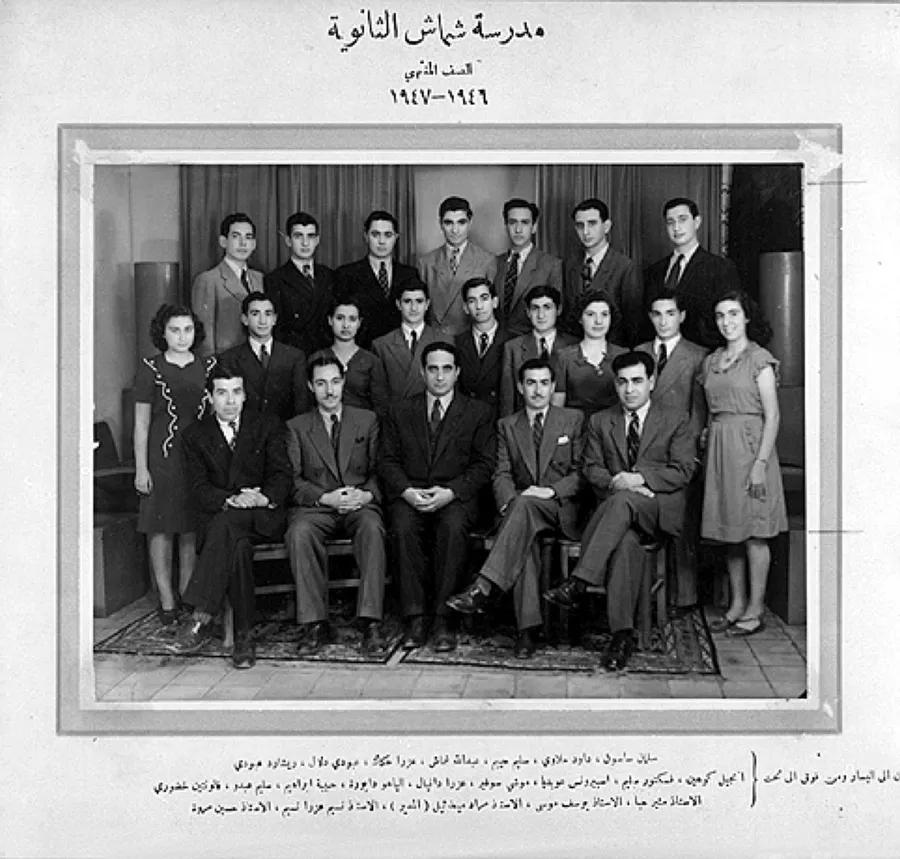
The graduating class of the Shamash High School, Baghdad, 1946 to 1947: rows of young men in suits and young women in dresses, five teachers seated in front, the names lettered in Arabic beneath
The graduating class of the Shamash High School, 1947. Wikimedia Commons. · Source
09

Precarity, testimony, and the limits of the archive

This session takes up two problems together: archives that are destroyed, and experiences that no document holds.

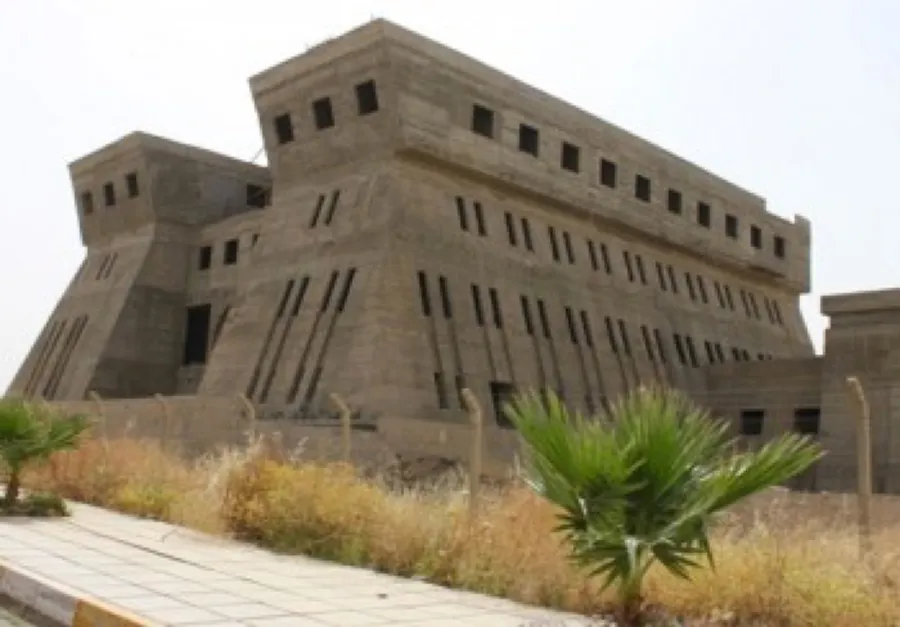
We move from the destruction of archives in wartime (the looting of the Iraq Museum in 2003, the burning of Mosul’s central library, the threatened archives of Gaza) to the experiences that never reach a document at all. The session asks what is owed to the people whose lives these records hold, and what happens when testimony and the archival record disagree.

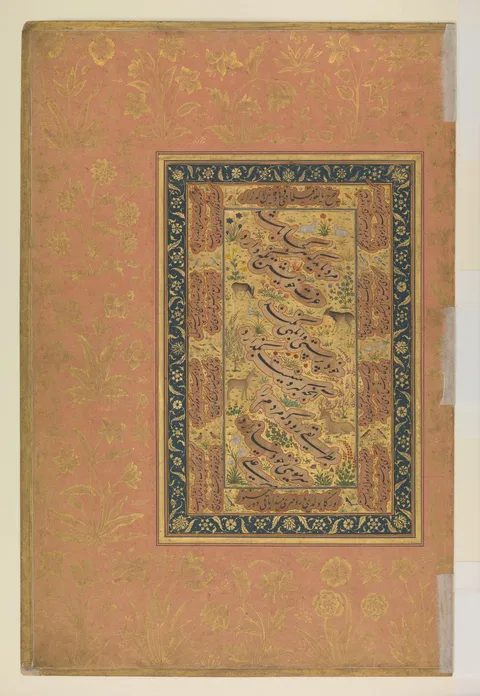
An album leaf from the Shah Jahan Album: lines of flowing calligraphy on a gold ground painted with animals and plants, inside wide patterned bordersPage of Calligraphy Illuminated with Animals and Plants in a Field of Flowers, folio from the Shah Jahan Album, India, 16th and 17th c. The Met, CC0. · Source
Archives in Dialogue Event #2Spring Event 2Date TBD

Readings

  • Read

    Forthcoming

The Central Public Library of Mosul from outside: a stepped concrete building with rows of small and narrow windows and stained walls, behind a fence, dry grass and two young palms
Mosul Library Outside, 2016. Wikimedia Commons; photo Herg-derg-editor, CC BY-SA 4.0. · Source