Power, absence, and the Middle East
The course opens with the question it will keep returning to: who decides what is kept, cataloged, translated, and made legible, and on whose authority?
Cluster I · Sessions 1–3
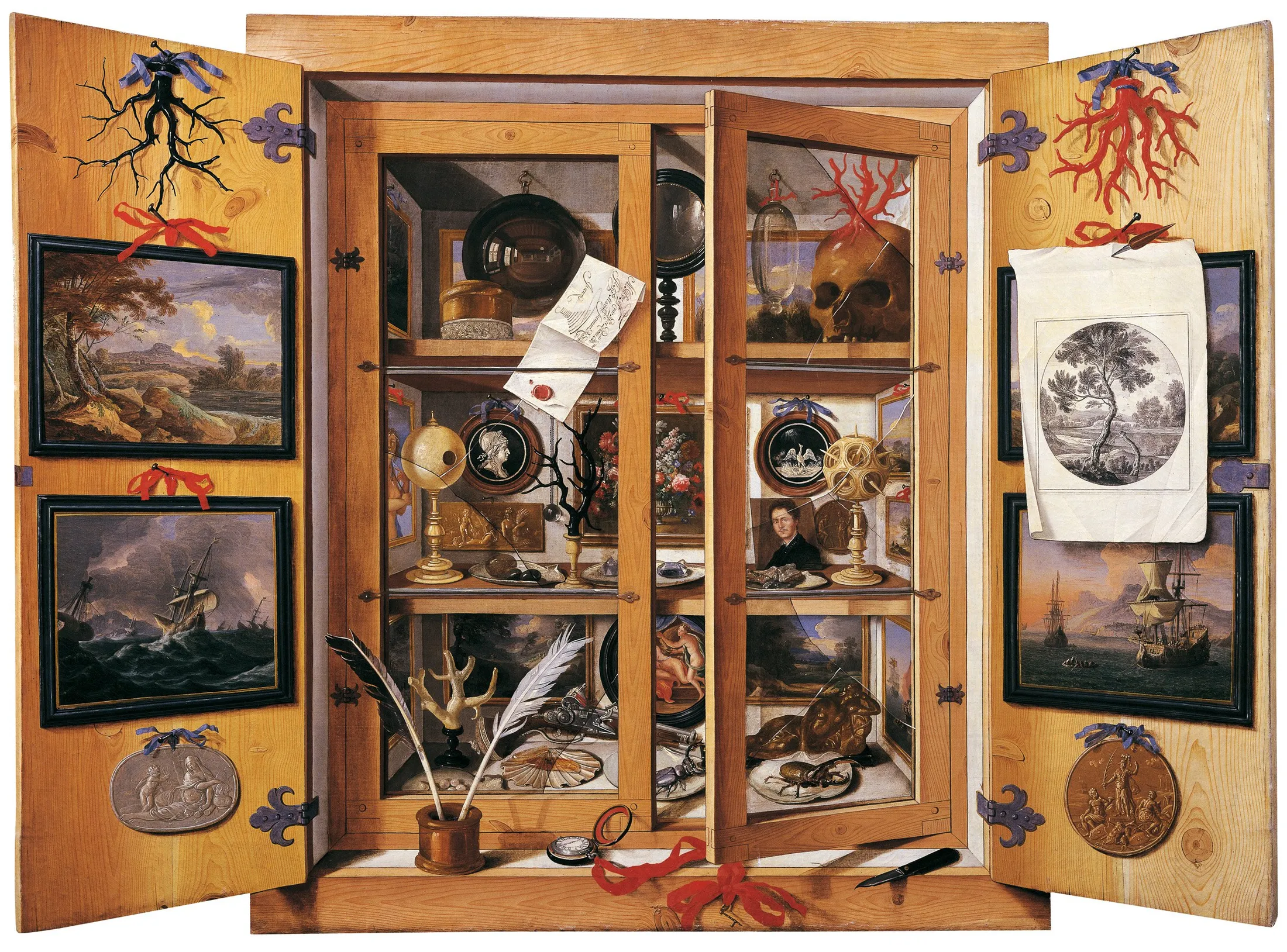
This opening cluster lays the theoretical and material foundations of the course. What counts as an archive? Whose power shaped it? And who are the people who show up every day to maintain it? An archive is never a neutral repository. Historical circumstances, environmental conditions, and the people who decide what to keep, how to describe it, and who may see it shape it.
We will examine the power structures that shape how archives are created and preserved through the lens of Orientalism, in both the Ottoman Empire and the West. We will also consider how presence and absence in the archive can be approached methodically, and we will turn our attention to the archivists, librarians, and curators whose labor and decisions make archives possible. The cluster sums up with a field trip to the Metropolitan Museum of Art to visit the exhibition Orientalism: Between Fact and Fantasy.
The course opens with the question it will keep returning to: who decides what is kept, cataloged, translated, and made legible, and on whose authority?
Together, we will think about the practice of archiving in the Middle East, as well as the practice of archiving the Middle East. Which Middle East have archives preserved: a region, a representation, an imagination? And how have forces of power such as empire and colonialism shaped what was preserved, and what was lost?
Forthcoming
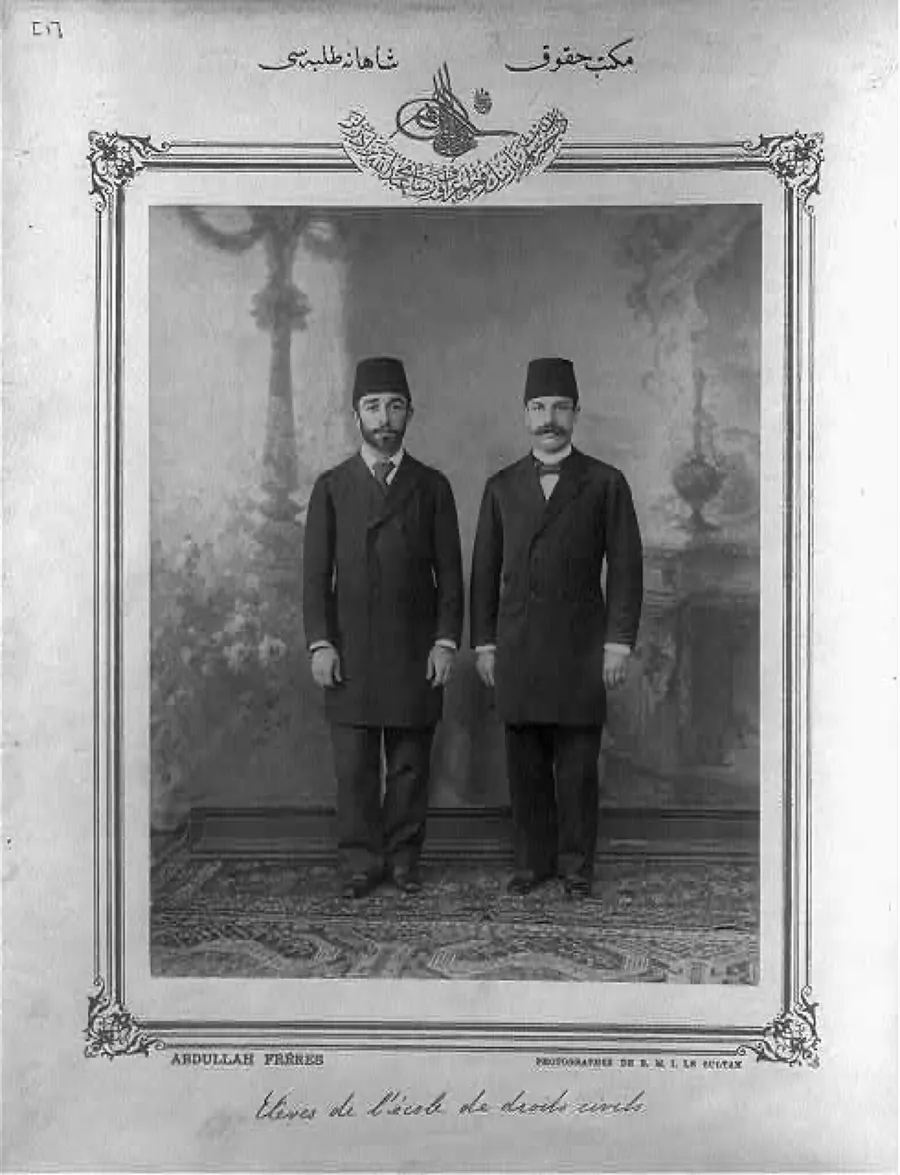
This session approaches archiving as a colonial practice of knowledge production and representation.
Edward Said’s work serves as our anchor, but we will move beyond it to two further sites: the Ottoman Empire at European world expositions, and the humanitarian archives of the Armenian genocide. We will examine how the Ottoman Empire imagined and displayed its own modernity, and how humanitarian posters built transnational structures of both care and violence. Throughout, we will engage the Orientalism paradigm alongside its major critiques.
Forthcoming
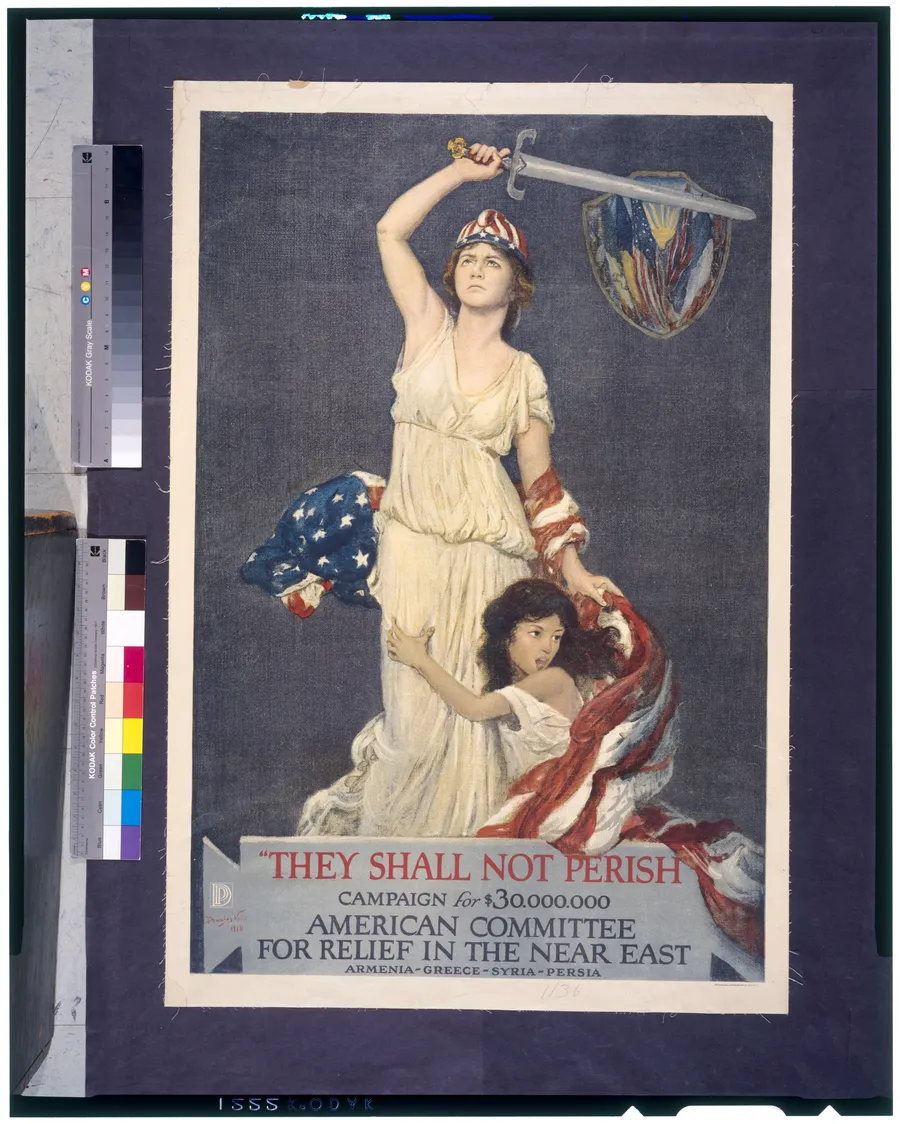
After two weeks on power and epistemology, we turn from theory to practice.
We will meet with a working archivist/practitioner. This session brings into view the labor that often goes unnoticed behind the stacks and the digitization equipment, along with the material and technological infrastructures that hold archives together.
Who becomes an archivist, and why does that matter? What does it mean that a large portion of Middle East and North Africa collections in American institutions remain unprocessed because too few archivists on staff can read Arabic?
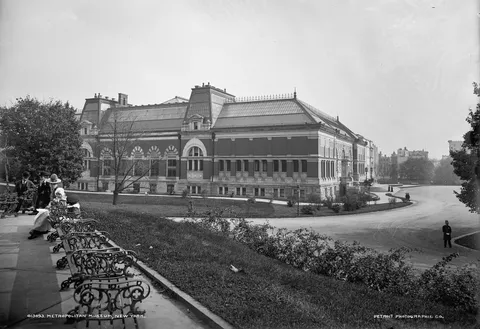 Metropolitan Museum, New York, about 1900. Detroit Publishing Company; Library of Congress. Public domain. · Source
Forthcoming