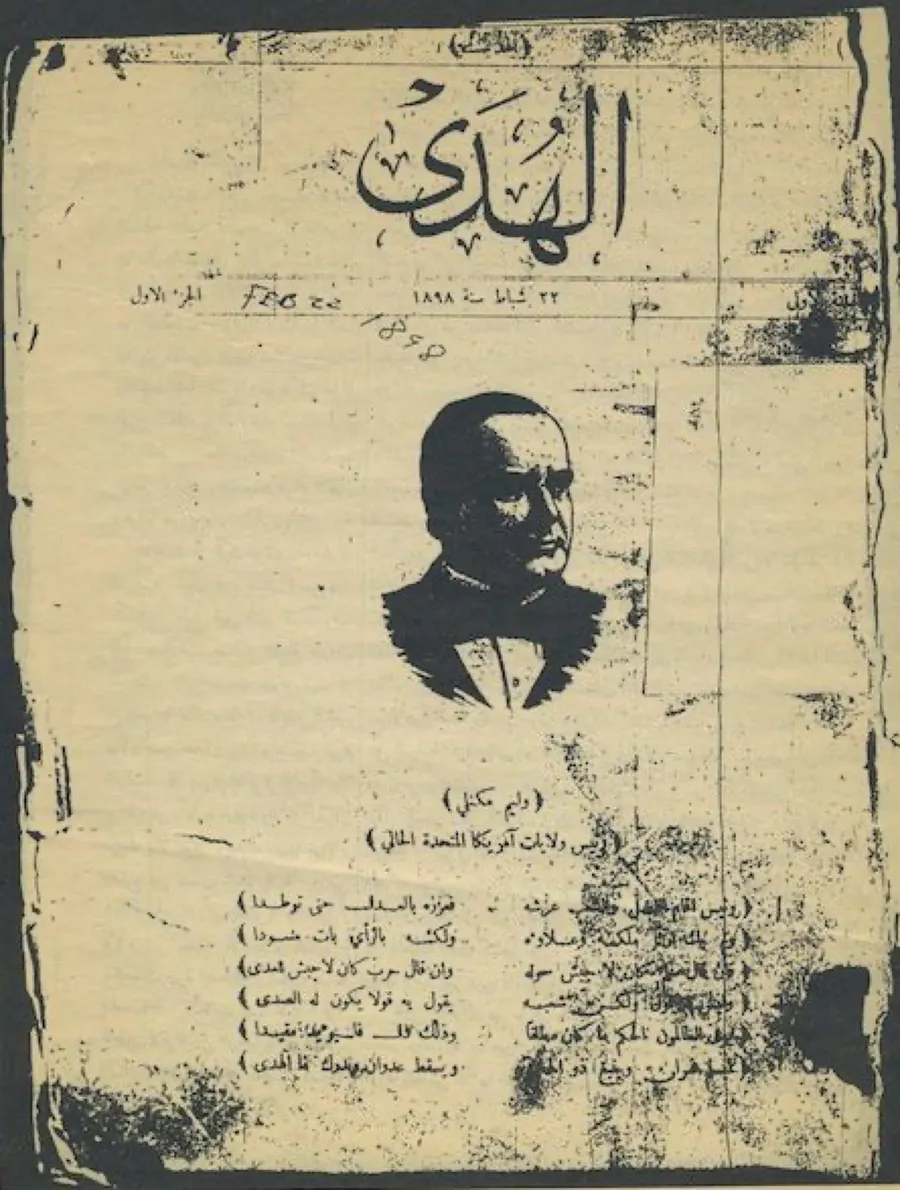
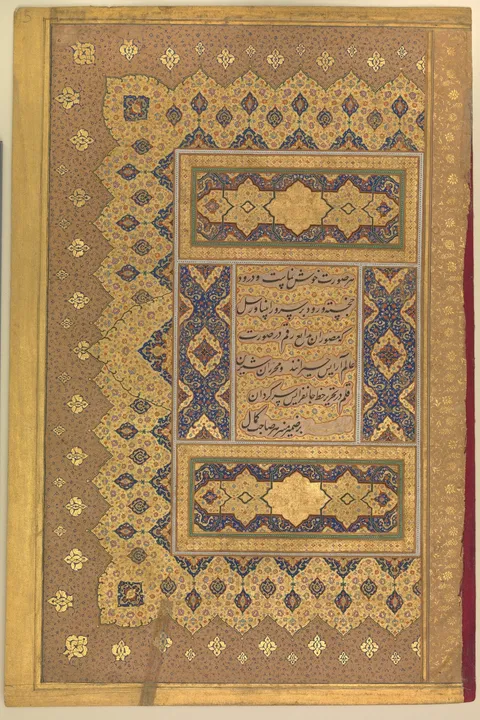
The museum as archive, and its histories
Museums are archives in another form: collections of objects accompanied by records of acquisition, provenance, and interpretation.
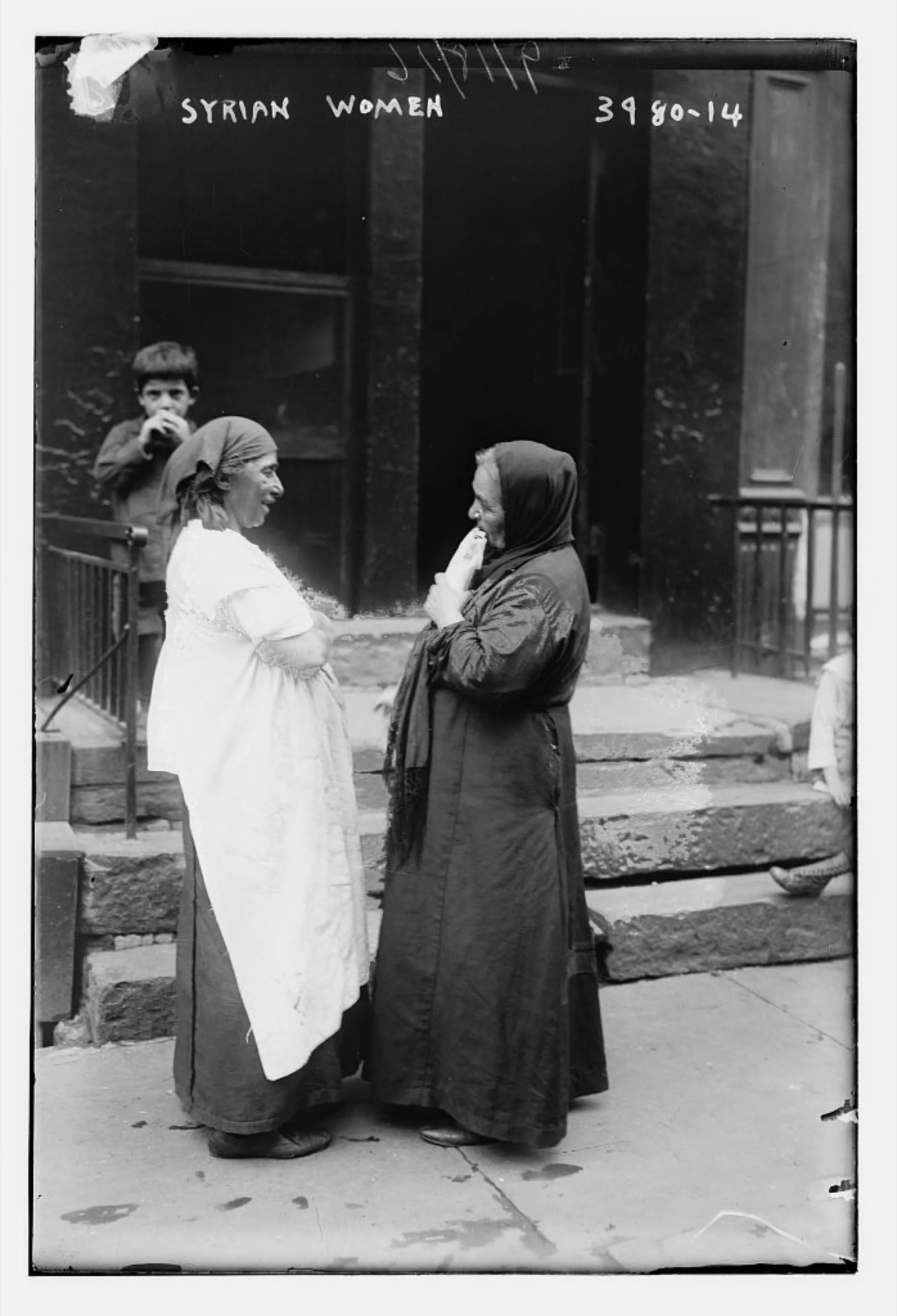
Cluster II · Sessions 4–7
Archives do not live only in institutions. Cities, communities, families and bodies are all layered, contested and partially legible. This cluster moves from the museum to urban space to the intimate scale of personal collections.
Museums are archives in another form: collections of objects accompanied by records of acquisition, provenance, and interpretation.
We read the paperwork around the objects on display: acquisition records, donor correspondence, provenance documentation.
Forthcoming
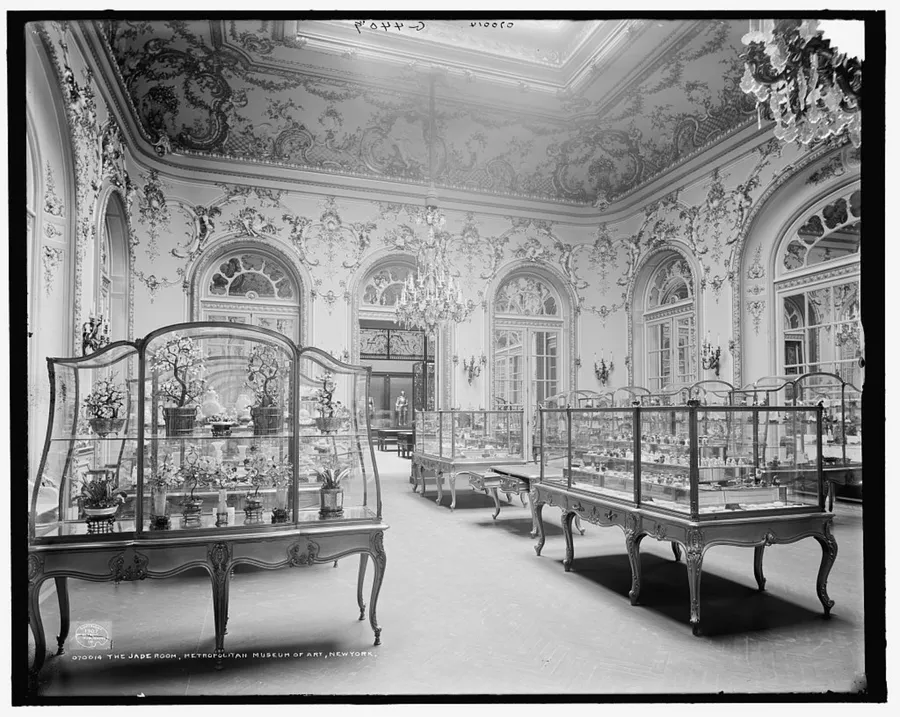
Urban mapping work alongside exhibition case studies in which urban memory is the subject.
Students photograph, note, and later discuss which parts of the city’s record are preserved elsewhere and which disappear when a neighborhood changes.
Forthcoming
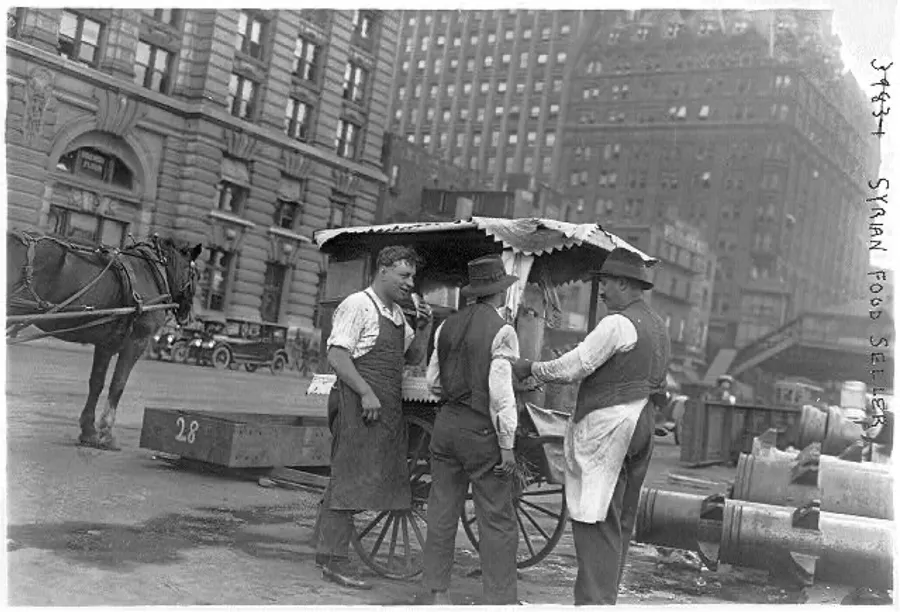
Family photographs, letters, ephemera, home videos. What does it mean to archive a life?
Forthcoming
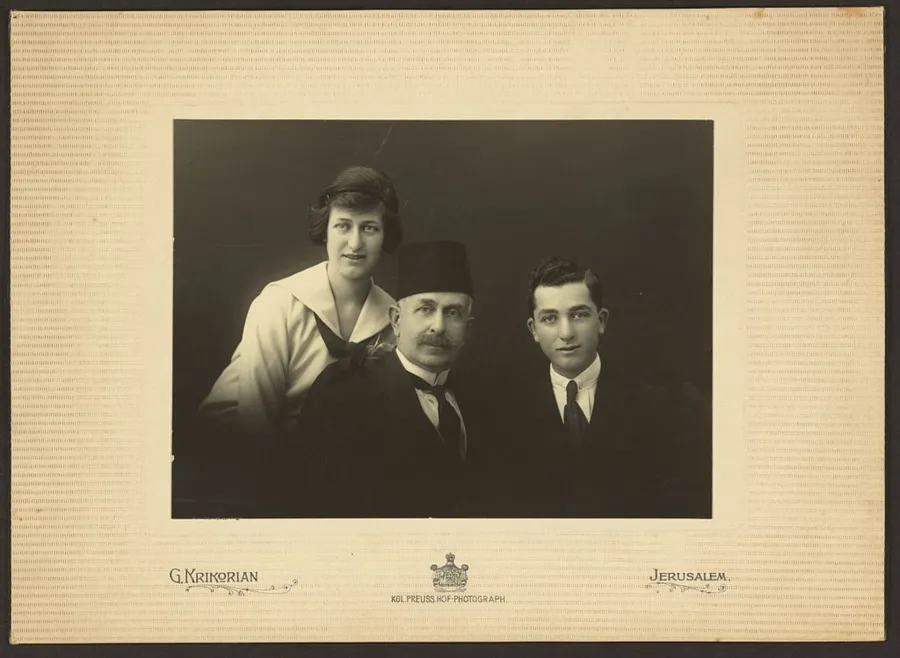
What happens when communities build their own archives outside institutional frameworks?
Case studies include the Jack Shaheen Archive at the Kevorkian Center, a collection documenting decades of media representation of Arabs and Arab Americans that students can work with directly.
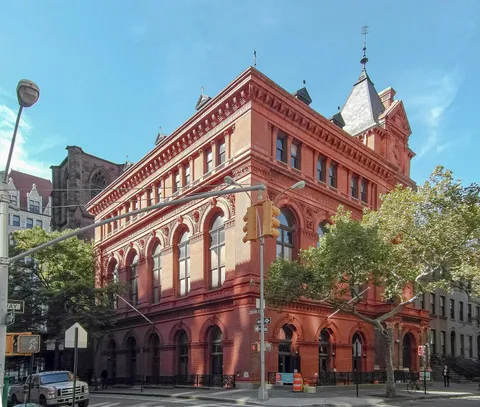 128 Pierrepont Street, Brooklyn, designed by George B. Post and completed in 1881. Photo: “Brooklyn Historical Society” by Reading Tom, 2012, CC BY 2.0. · Source
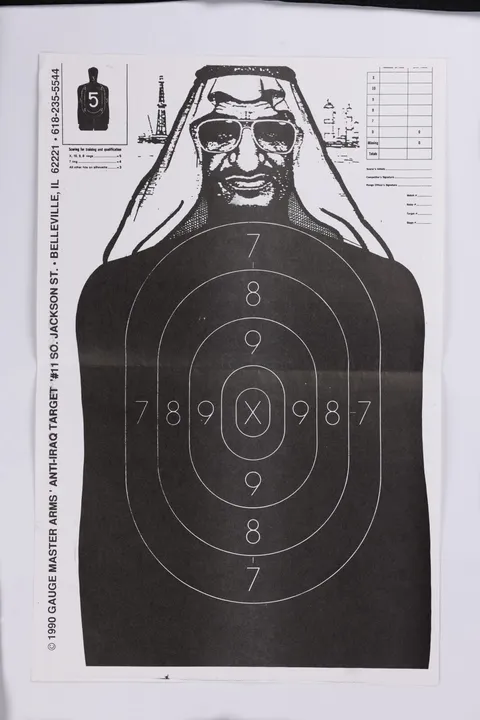 Gauge Master Arms Anti-Iraq Gun Club Target, 1990. From the Jack G. Shaheen Papers; Tamiment Library/Robert F. Wagner Labor Archives, New York University. Photograph by GION STUDIO, via Choice360. Shown for teaching under fair use (17 U.S.C. § 107). · Source
Forthcoming